'Black mold' is a phrase that triggers panic, and often for good reason — but also often unnecessarily. The term is most accurately used for Stachybotrys chartarum, a specific species that produces potent mycotoxins. Many other harmless-looking dark molds are simply Cladosporium or Aspergillus varieties that appear black due to pigment. Sorting this out matters.
Why Stachybotrys matters
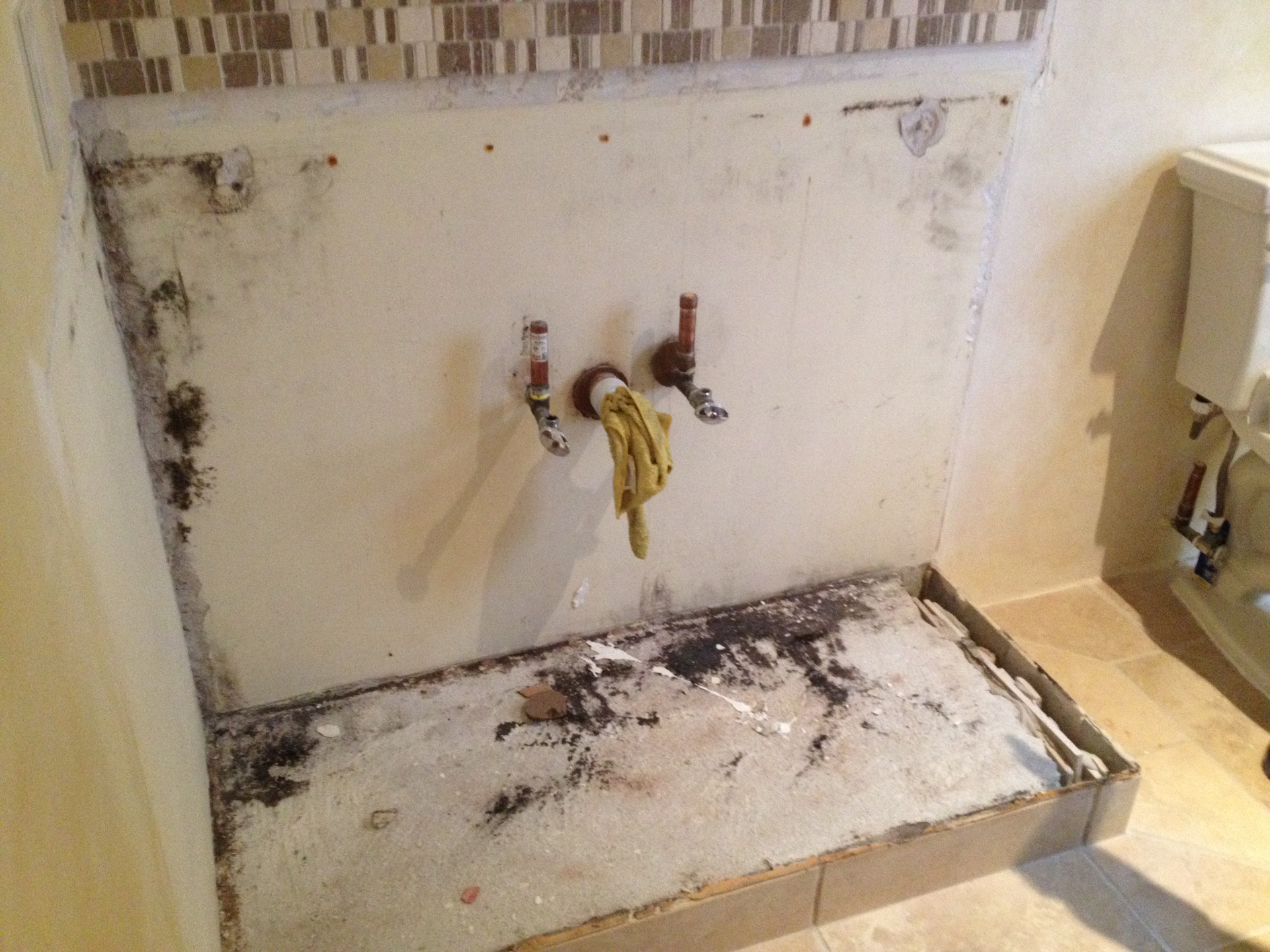
Stachybotrys thrives on cellulose (paper, drywall, cardboard) that has been continuously wet for a week or more. It produces trichothecene mycotoxins that can cause severe respiratory illness, neurological symptoms, and immune dysfunction with sustained exposure. In an HVAC system, its spores get distributed room to room by the blower — one of the worst-case scenarios in indoor air quality.
How it ends up in HVAC
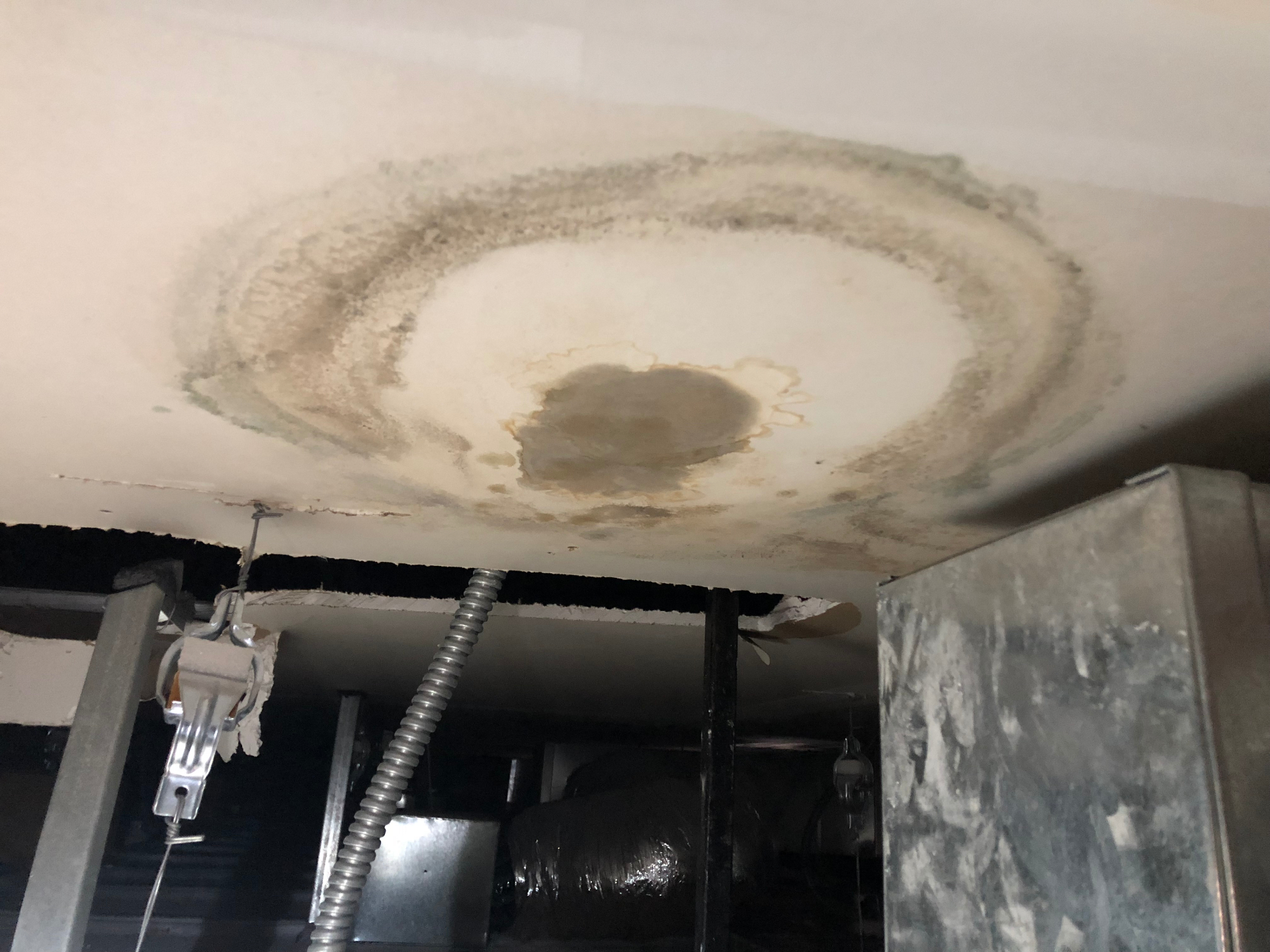
Stachybotrys rarely colonizes clean metal ductwork directly. It usually establishes itself first on chronically wet drywall, ceiling insulation, or the paper backing of fiberglass ducts — often from a hidden leak — and then spores travel into the HVAC system through the return air. This is why finding Stachybotrys in an air sample always triggers a hunt for the underlying moisture source, which is often more urgent than the HVAC contamination itself.
What to do immediately
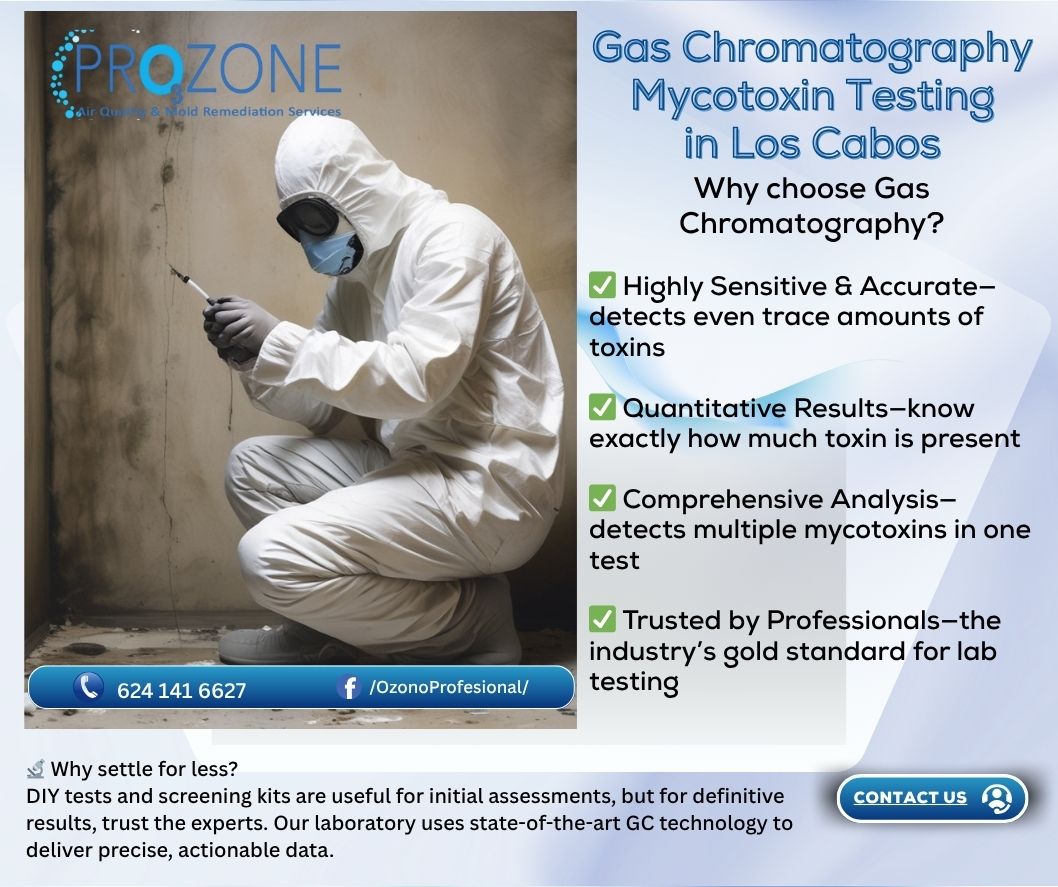
If you suspect Stachybotrys — chronic damp materials, prolonged water intrusion, severe respiratory symptoms in occupants — shut down the HVAC system, restrict use of the affected area, and get an inspection with air sampling that day. Do not attempt DIY cleanup; disturbing Stachybotrys aerosolizes mycotoxins that DIY protective equipment cannot filter.
Remediation is different
Stachybotrys remediation requires stricter containment (double-layer plastic, decontamination chambers), full-face respirators for technicians, disposal of all colonized porous materials, and mandatory post-remediation testing. It is not the job for a general handyman with a spray bottle.
When to call ProZone
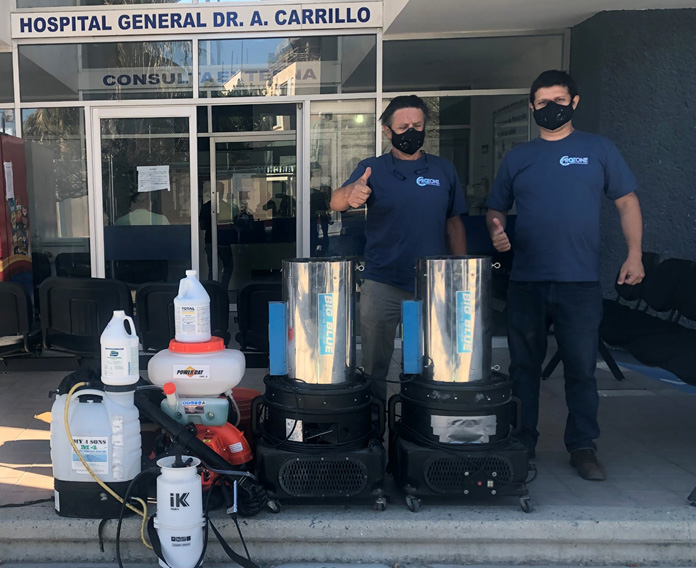
If you have confirmed or suspected black mold in your home, message us on WhatsApp at +52 624 141 6627. Founded in 2014 after Hurricane Odile, ProZone is OSHA and Cal OSHA certified and has remediated some of the most iconic homes across Los Cabos, San José, and Todos Santos. Ask us — we know how.
Jose Lima — Founder, ProZone
OSHA & Cal OSHA certified mold inspector. Serving Los Cabos and Todos Santos since 2014. Member, National Ozone Technician Association.