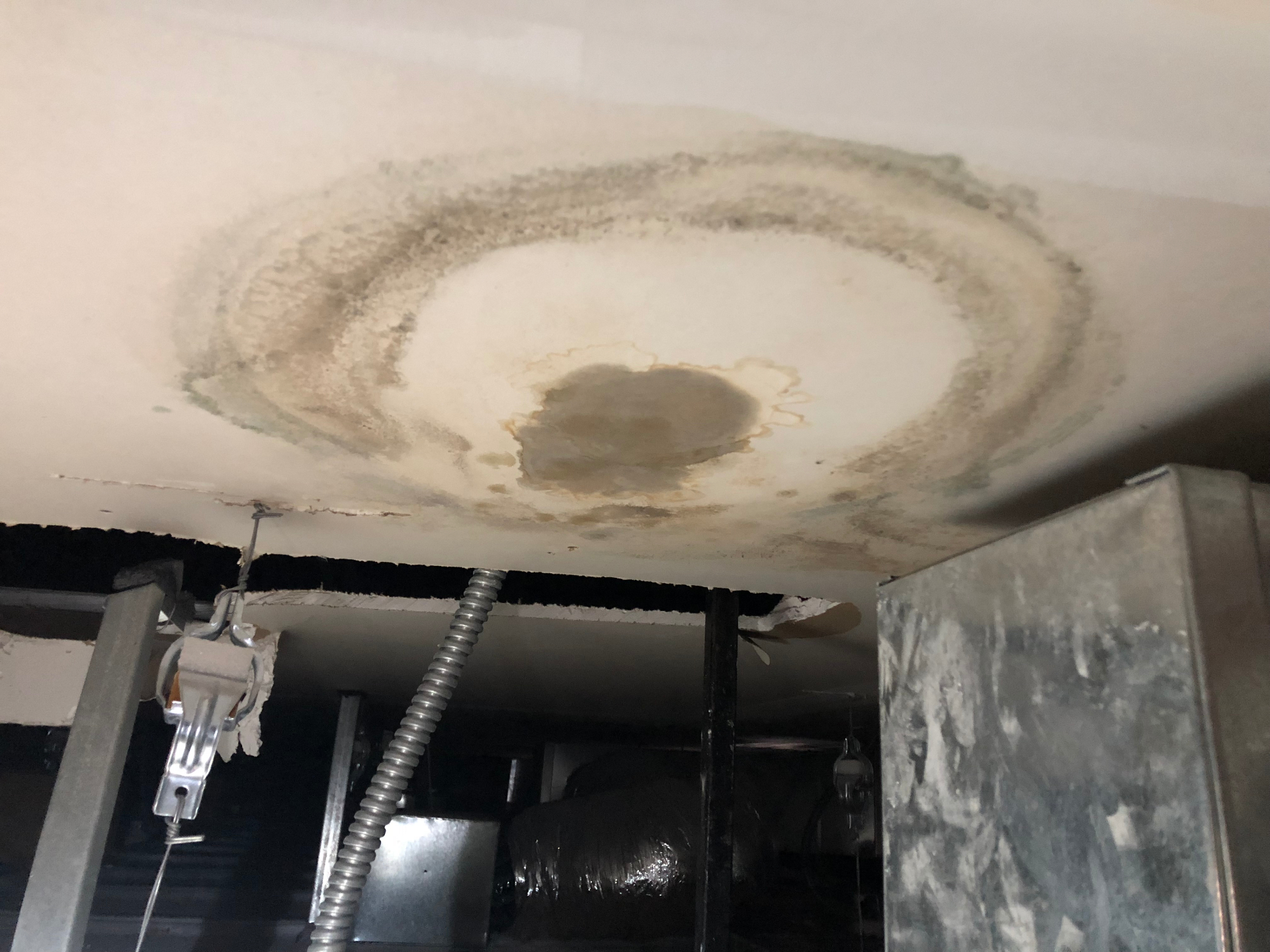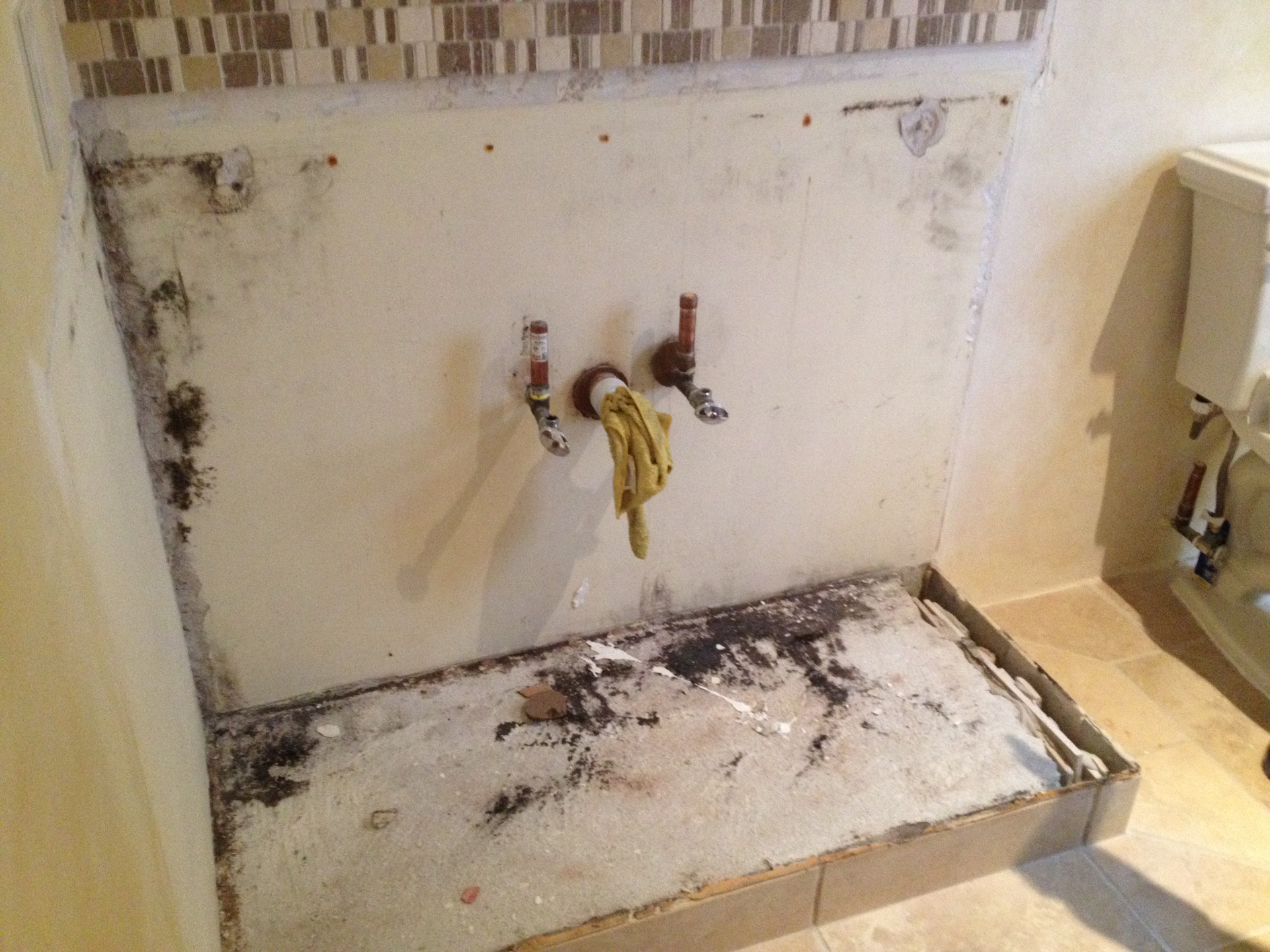
Not every mold is dangerous, but every mold growing inside your HVAC system is worth addressing, because the system's entire job is to move air through your home. A colony growing quietly in a closet stays contained to that closet - that same colony inside a duct, coil, or drain pan gets pushed into every room the system serves, every hour it runs. How dangerous it is for you specifically depends on three things: which species you're dealing with, how long exposure has been happening, and who lives in the house.
How Dangerous Is Mold in Your HVAC System?
Species matters. Common HVAC molds include Cladosporium, Penicillium, Aspergillus, and — in chronically wet conditions — Stachybotrys chartarum. Cladosporium and Penicillium usually behave as mild allergens, provoking congestion, sneezing, and itchy eyes in sensitive people. Aspergillus is a different matter: several strains produce mycotoxins and can cause invasive infection in immunocompromised occupants. Stachybotrys chartarum warrants urgency whenever it is confirmed, because it only establishes itself where there has been sustained water intrusion.
Exposure time matters. A weekend in a contaminated house typically produces temporary allergy-type symptoms that fade once you leave. Months or years of continuous exposure — the norm in a home with a quietly colonized air handler — produces chronic sinusitis, persistent cough, migraines, fatigue, and brain fog, and in some households a full Sick Building Syndrome picture. The insidious part is symptom normalization: occupants adapt, assume the headaches and congestion are just how they feel now, and never connect them to the air conditioning.
Who lives in the home matters most of all. Infants, elderly residents, pregnant women, anyone with asthma or COPD, cancer patients on immunosuppressive therapy, and organ transplant recipients face substantially elevated risk. In those households, even a Cladosporium colony that a healthy adult would shrug off can trigger a serious respiratory event. If a vulnerable occupant lives in the home, treat any confirmed HVAC mold as urgent rather than routine.
Health Symptoms HVAC Mold Can Cause
The mechanism is straightforward. Mold reproduces by releasing microscopic spores; inside a contaminated system, the blower fan pulls those spores through the ducts and delivers them into every room. Some species also release mycotoxins, chemical byproducts that provoke inflammatory responses far beyond ordinary allergy. Add MVOCs — the microbial volatile organic compounds responsible for that musty smell — and you have three separate agents acting on your body at once, hour after hour.
Symptoms progress predictably. Short-term: congestion, sneezing, itchy eyes, throat irritation, headaches. Medium-term, over weeks to months: chronic sinusitis, a cough that never fully clears, worsening asthma, unexplained fatigue, difficulty concentrating, skin rashes. Long-term, over months to years: recurring respiratory infections, neurological complaints, hormonal disruption, and in vulnerable individuals, serious systemic illness.
The most telling clue is location-based. Symptoms ease when you leave the house — a work trip, a beach day, a weekend away — and return within hours of coming back. This pattern is frequently misdiagnosed as chronic allergies, because a doctor sees the symptoms but not the building. If you recognize it in yourself or a family member, describe the pattern explicitly to your physician; it is the single most useful piece of evidence you can offer.
Which Mold Types Pose the Greatest Risk?
In rough order of concern: Cladosporium and Penicillium are common allergen-level finds and generally manageable; Aspergillus raises the stakes because of mycotoxin production and infection risk in immunocompromised people; Stachybotrys chartarum sits at the top and signals a sustained water problem behind the growth. Color alone cannot identify any of them — dark growth is not automatically Stachybotrys, and light-colored growth is not automatically harmless. Only laboratory analysis of collected samples can name the species.
When to See a Doctor vs. When to Address Your HVAC System
Start with the system. Stop running it so you are not actively distributing spores, then schedule an inspection that includes air sampling rather than a visual opinion alone. If lab results show elevated indoor spore counts relative to an outdoor baseline, remediate before returning the system to normal use — and fix the moisture source, or the colony simply comes back.
See a doctor when symptoms are severe or persistent, when anyone in the elevated-risk groups above is affected, or when symptoms fail to improve within a few weeks of completed remediation. Bring the timeline and the location-based pattern with you; that context turns a vague allergy complaint into an actionable exposure history.
When to call ProZone
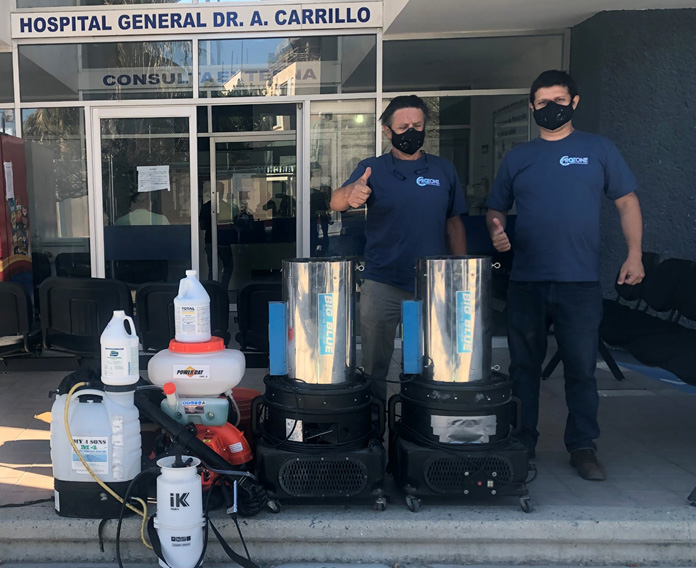
If your household includes anyone at elevated risk, or symptoms persist despite basic troubleshooting, message us on WhatsApp at +52 624 141 6627. Founded in 2014 after Hurricane Odile, ProZone is OSHA and Cal OSHA certified and has remediated some of the most iconic homes across Los Cabos, San José, and Todos Santos. Ask us — we know how.
Jose Lima — Founder, ProZone
OSHA & Cal OSHA certified mold inspector. Serving Los Cabos and Todos Santos since 2014. Member, National Ozone Technician Association.