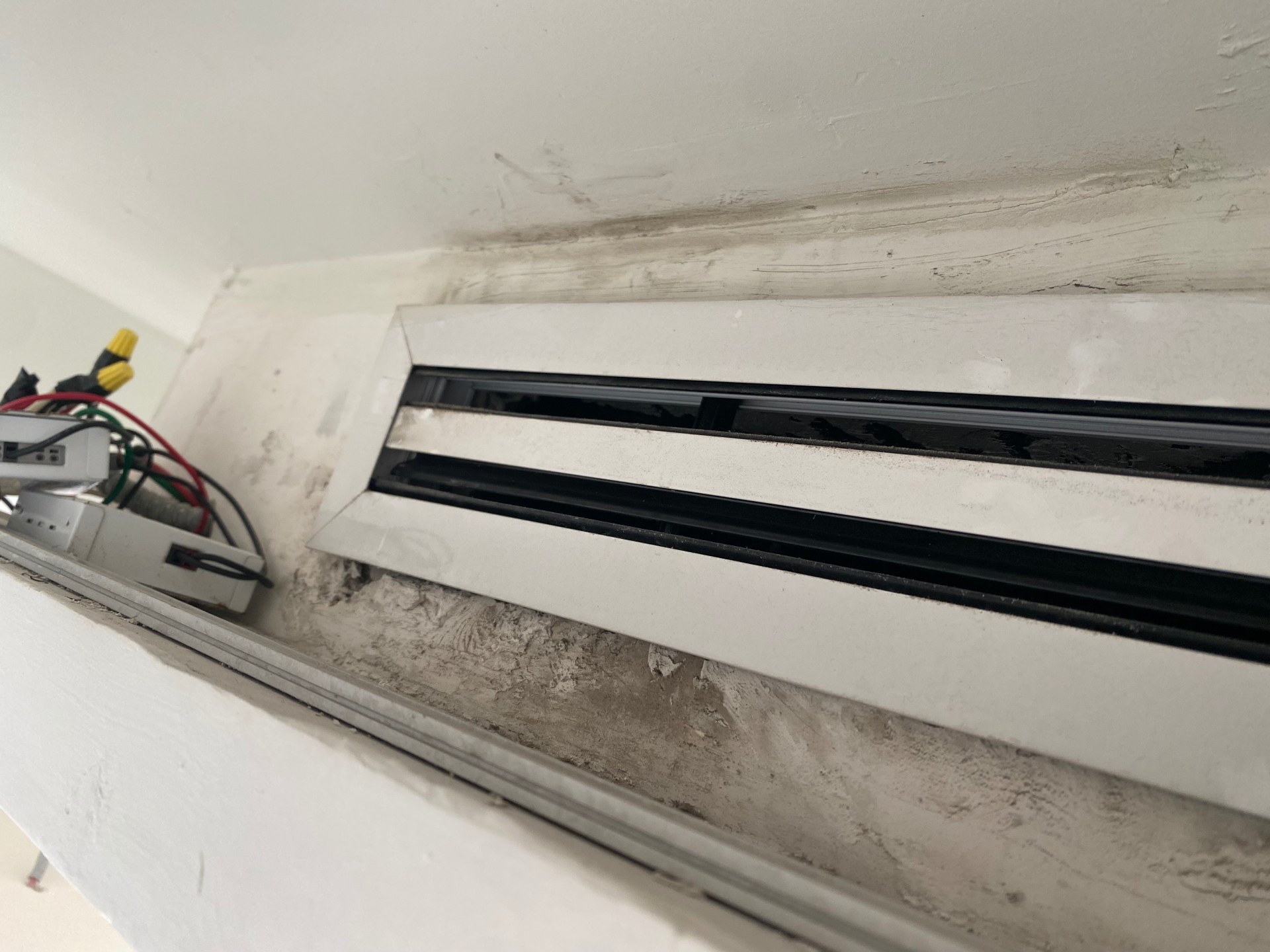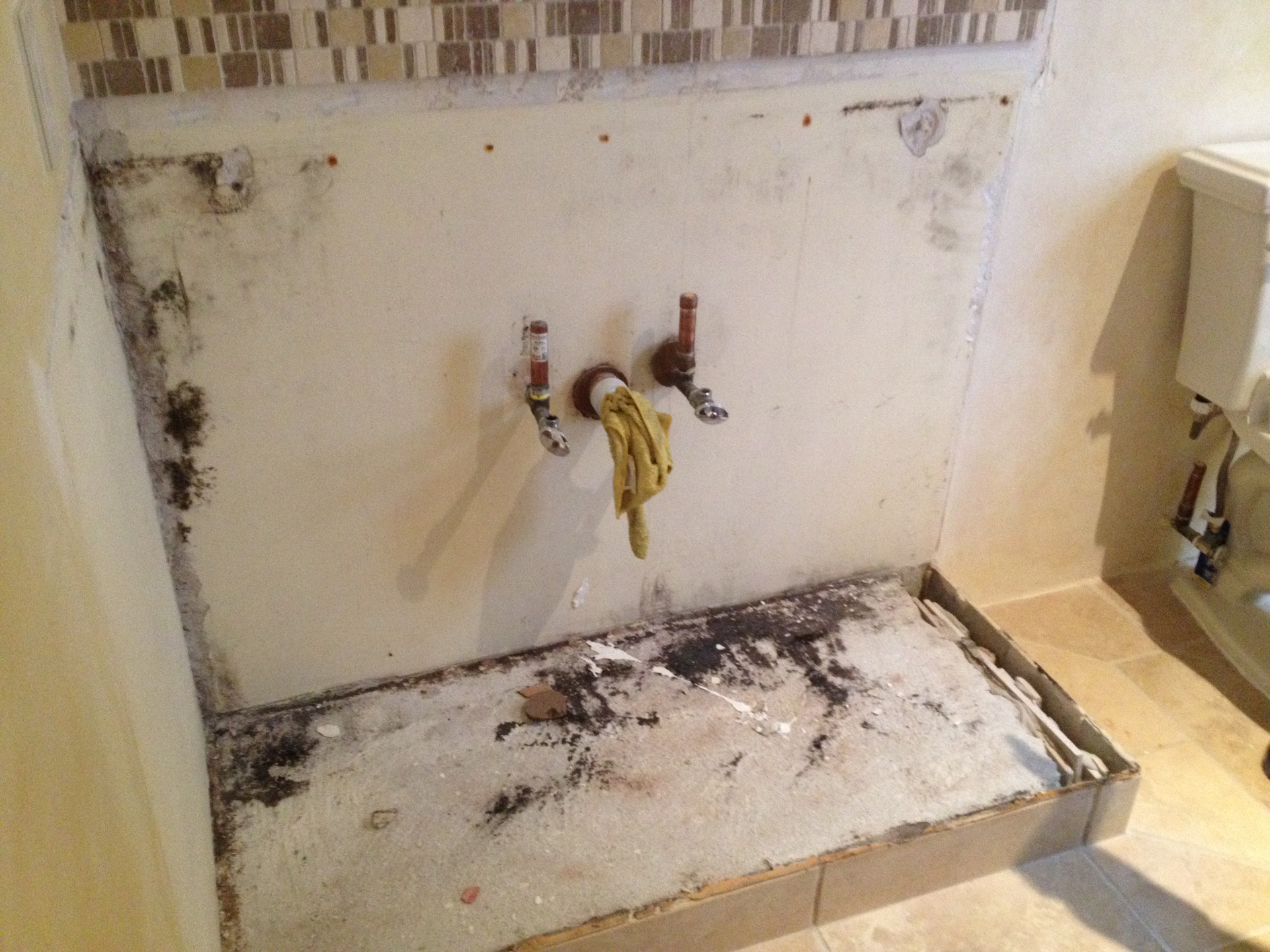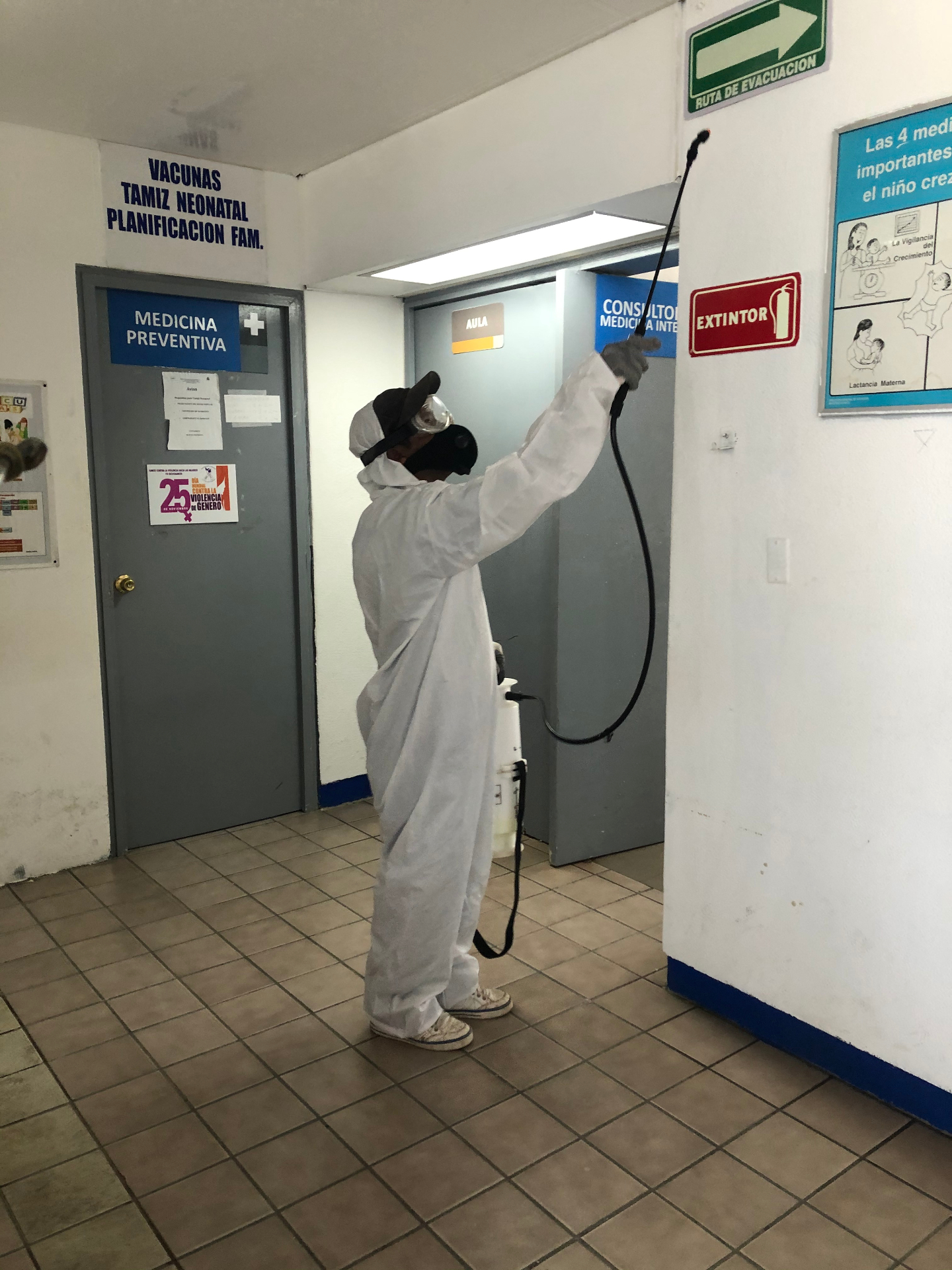
The instinct to save money by handling HVAC mold yourself is understandable — professional remediation isn't cheap. But HVAC is one of the areas where DIY most often backfires, and understanding why can save you from an expensive mistake.
What you can safely do yourself
Change or wash the filter, wipe down the exterior of the vents, clean visible mildew off the plastic housing of a mini-split with a diluted vinegar or hydrogen-peroxide solution, and keep the condensate drain line clear. These surface-level tasks are safe with an N95 mask and gloves, and they prevent minor mildew from becoming a full colony.
Where DIY makes things worse
Attempting to clean the evaporator coil, blower wheel, or the interior of ductwork without professional containment blasts spores throughout the home. HVAC systems are designed to move air — that same design turns them into aerosol distributors when contaminated surfaces are disturbed. Consumer-grade cleaners often contain surfactants that leave residue on coils, damage the aluminum fins, or void warranties. Small ozone generators sold online lack the concentration to actually kill mold inside ductwork.
The hidden cost of DIY failure
The most common call we get is from homeowners who tried DIY, thought they solved it, and are calling three weeks later because the smell came back stronger and now symptoms have spread to family members who were previously unaffected. What could have been a straightforward remediation is now a whole-home decontamination.
When to call ProZone
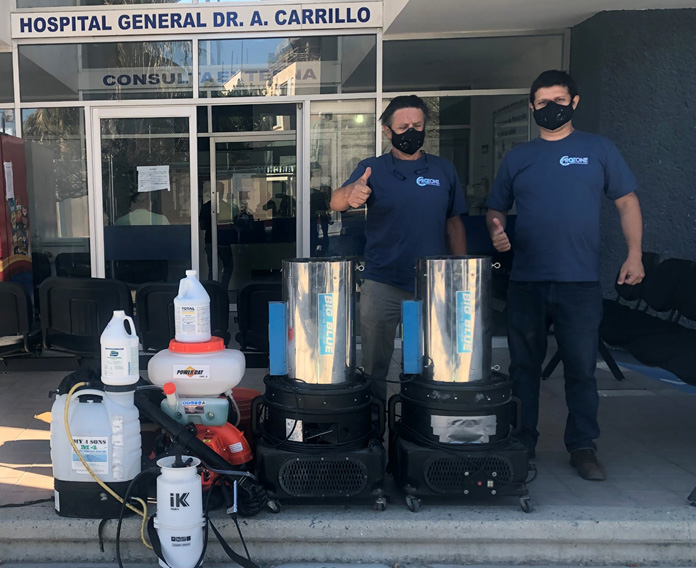
If you've spotted mold beyond a superficial vent and want to avoid making it worse, message us on WhatsApp at +52 624 141 6627. Founded in 2014 after Hurricane Odile, ProZone is OSHA and Cal OSHA certified and has remediated some of the most iconic homes across Los Cabos, San José, and Todos Santos. Ask us — we know how.
Jose Lima — Founder, ProZone
OSHA & Cal OSHA certified mold inspector. Serving Los Cabos and Todos Santos since 2014. Member, National Ozone Technician Association.