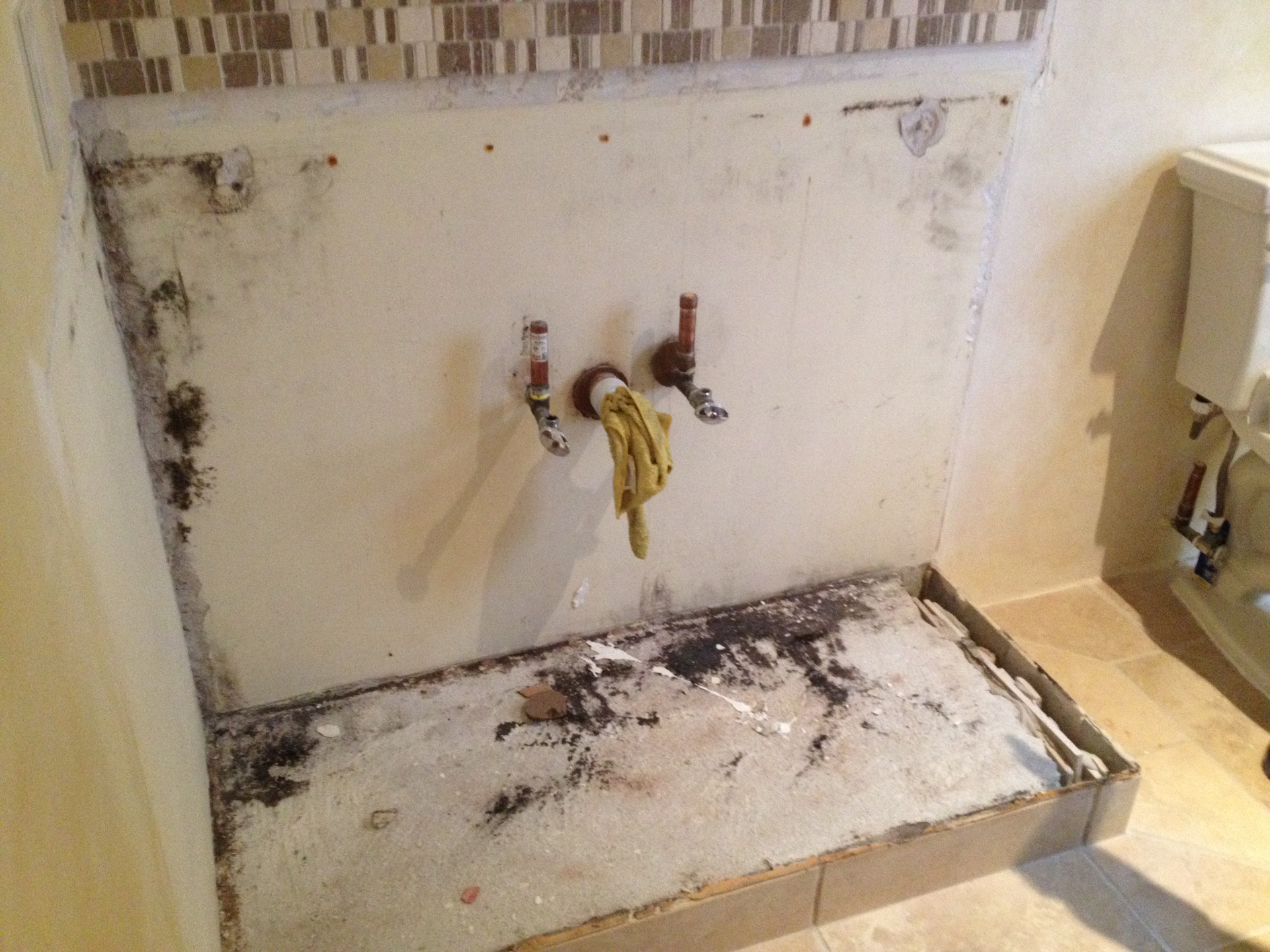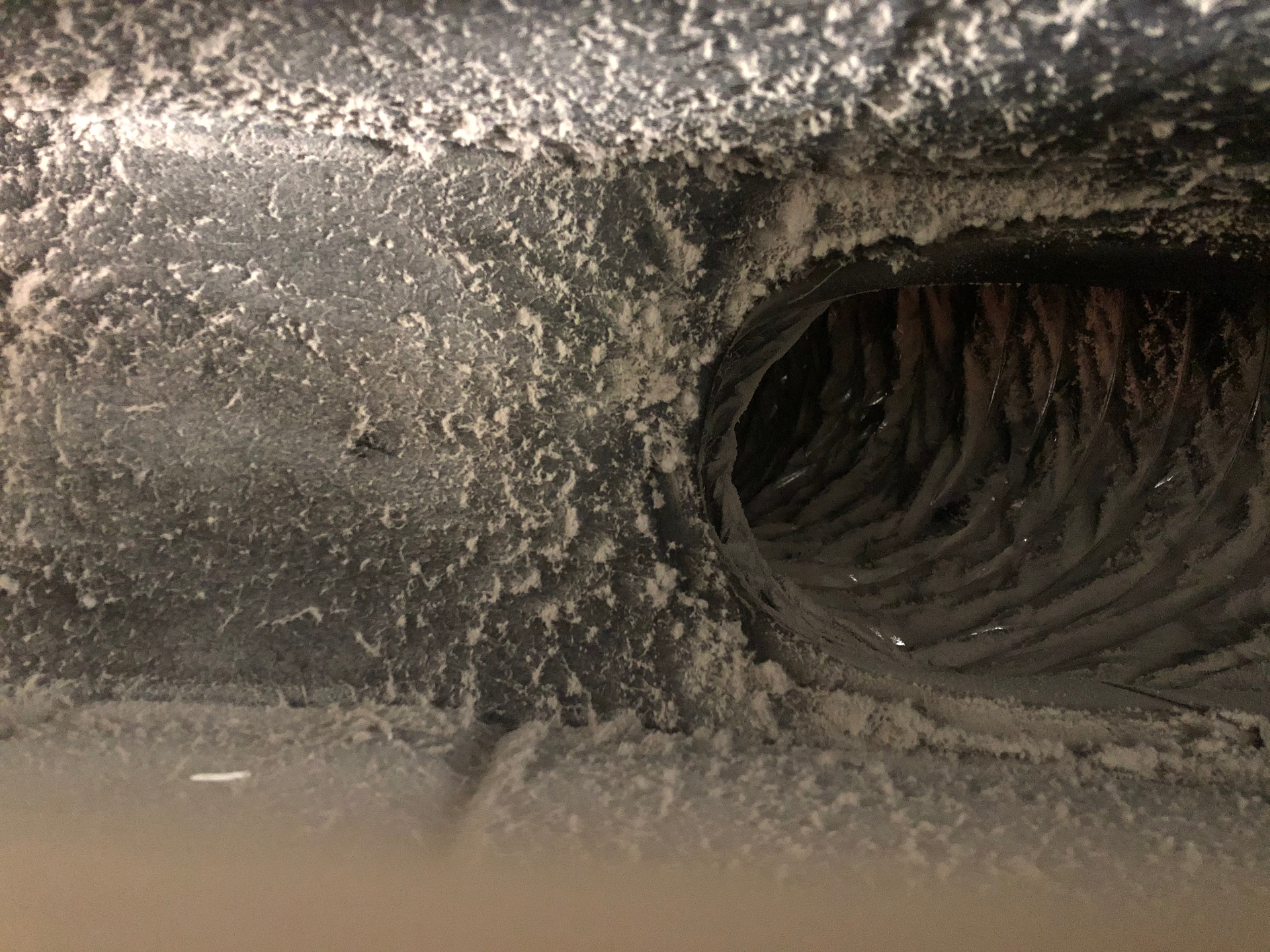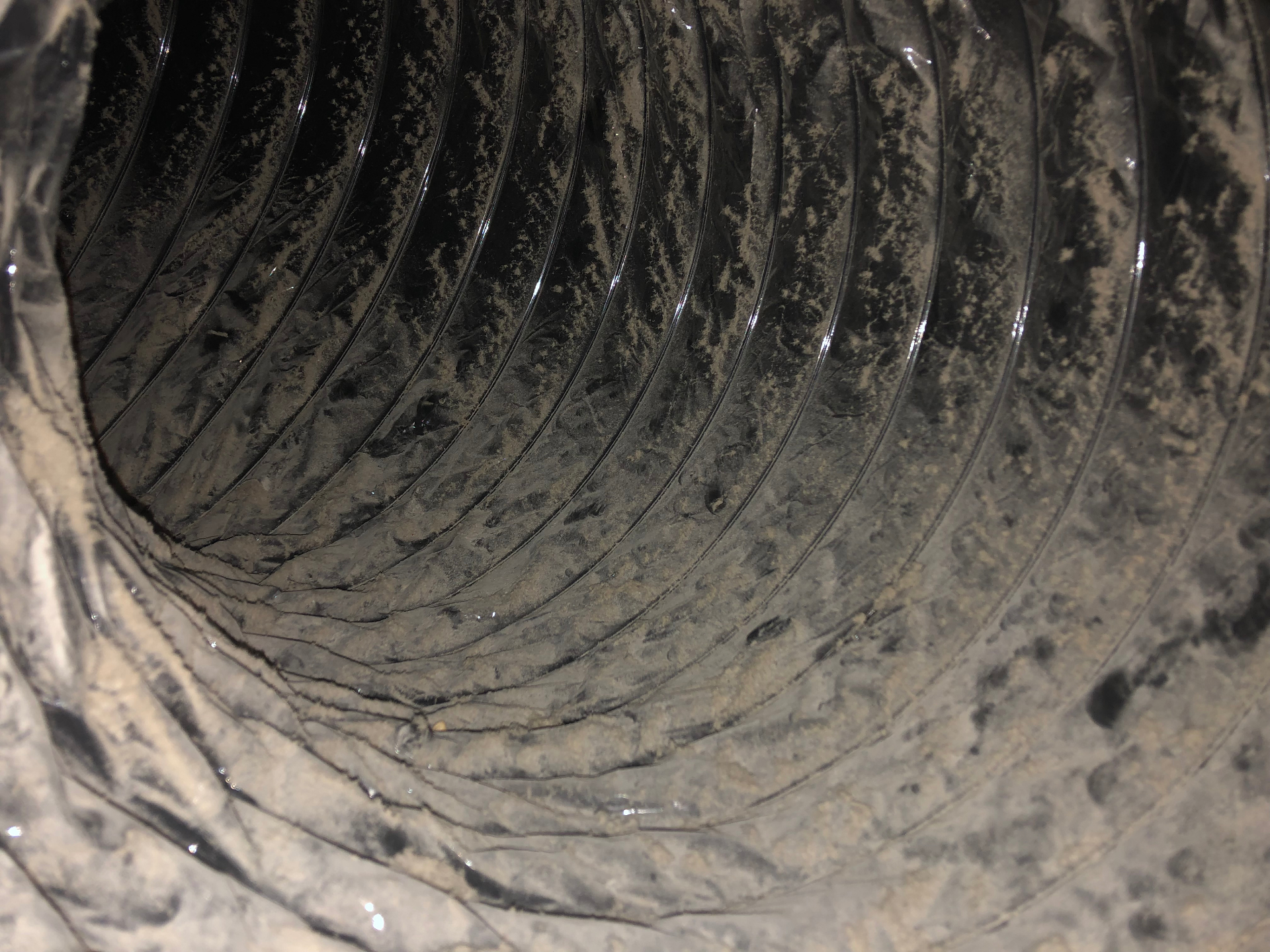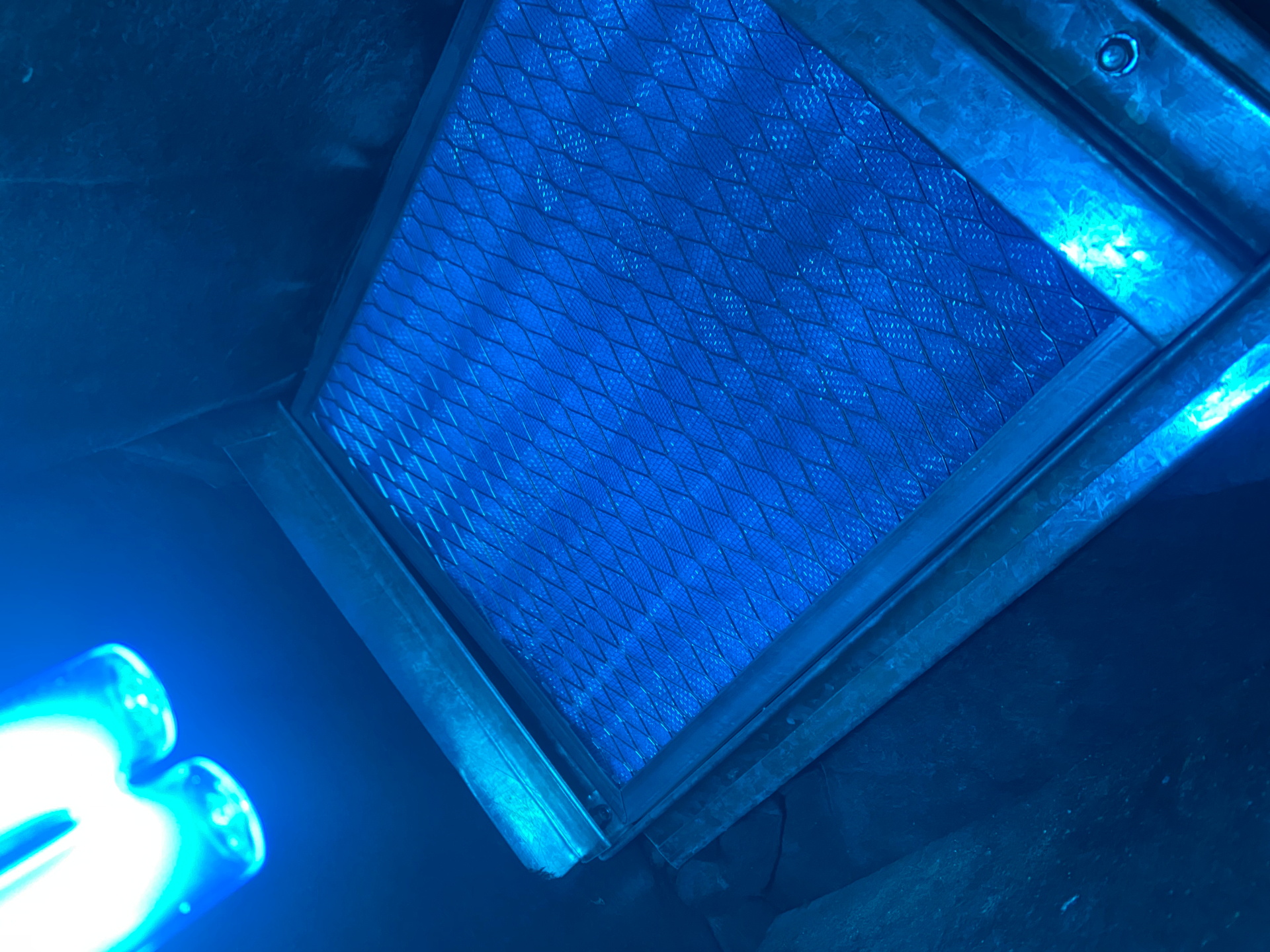
You pull the filter to change it and see dark fuzzy patches — or worse, actual sheet-like growth across the pleats. Alarming, but not always catastrophic. What you do next depends on whether the filter is the source or the symptom.
The filter as the source
Sometimes the filter itself is the problem. Cellulose (paper) filters left in place for six months in a humid coastal home absorb moisture and become a nutrient bed for mold. Cheap filters that get damp from a leaking condensate line do the same thing. In this scenario, the growth is confined to the filter, and replacing it with a higher-quality pleated filter — plus checking that the drain line is clear — solves the problem.
The filter as a symptom
More often, the filter is catching what's already growing downstream. If the coil or drain pan is colonized, spores continually push against the filter from the return side and grow into the media. Signs the filter isn't the source: a musty smell that persists after replacement, visible growth on registers and vents, or new filters becoming discolored within days.
What to do the same day
Turn off the system. Put on an N95 mask and gloves. Remove the filter, seal it in a plastic bag, and dispose of it outside. Vacuum around the filter housing with a HEPA vacuum if you have one. Do not run the system again until you've either verified the source or scheduled an inspection. Running it distributes spores throughout the home.
When to call ProZone
If your filter shows visible mold or gets contaminated within weeks of replacement, message us on WhatsApp at +52 624 141 6627. Founded in 2014 after Hurricane Odile, ProZone is OSHA and Cal OSHA certified and has remediated some of the most iconic homes across Los Cabos, San José, and Todos Santos. Ask us — we know how.
Jose Lima — Founder, ProZone
OSHA & Cal OSHA certified mold inspector. Serving Los Cabos and Todos Santos since 2014. Member, National Ozone Technician Association.